
The Night The Curtain Fell For the Final Time
- Matthew Kerns

- Jun 4, 2025
- 2 min read

June 3rd, 1876 – Wilmington, Delaware
The lights dimmed. The curtain fell. And just like that, one of the most legendary partnerships in the history of the American stage came to an end.
That night, 149 years ago, Texas Jack Omohundro and Buffalo Bill Cody took their final bow together at the Grand Opera House. For four years, they had shared the spotlight—two living symbols of the Wild West turned national celebrities, performing to packed houses across the country. Together, they’d left the hardscrabble life of frontier scouts and become what Cody proudly called “first-class stars.”
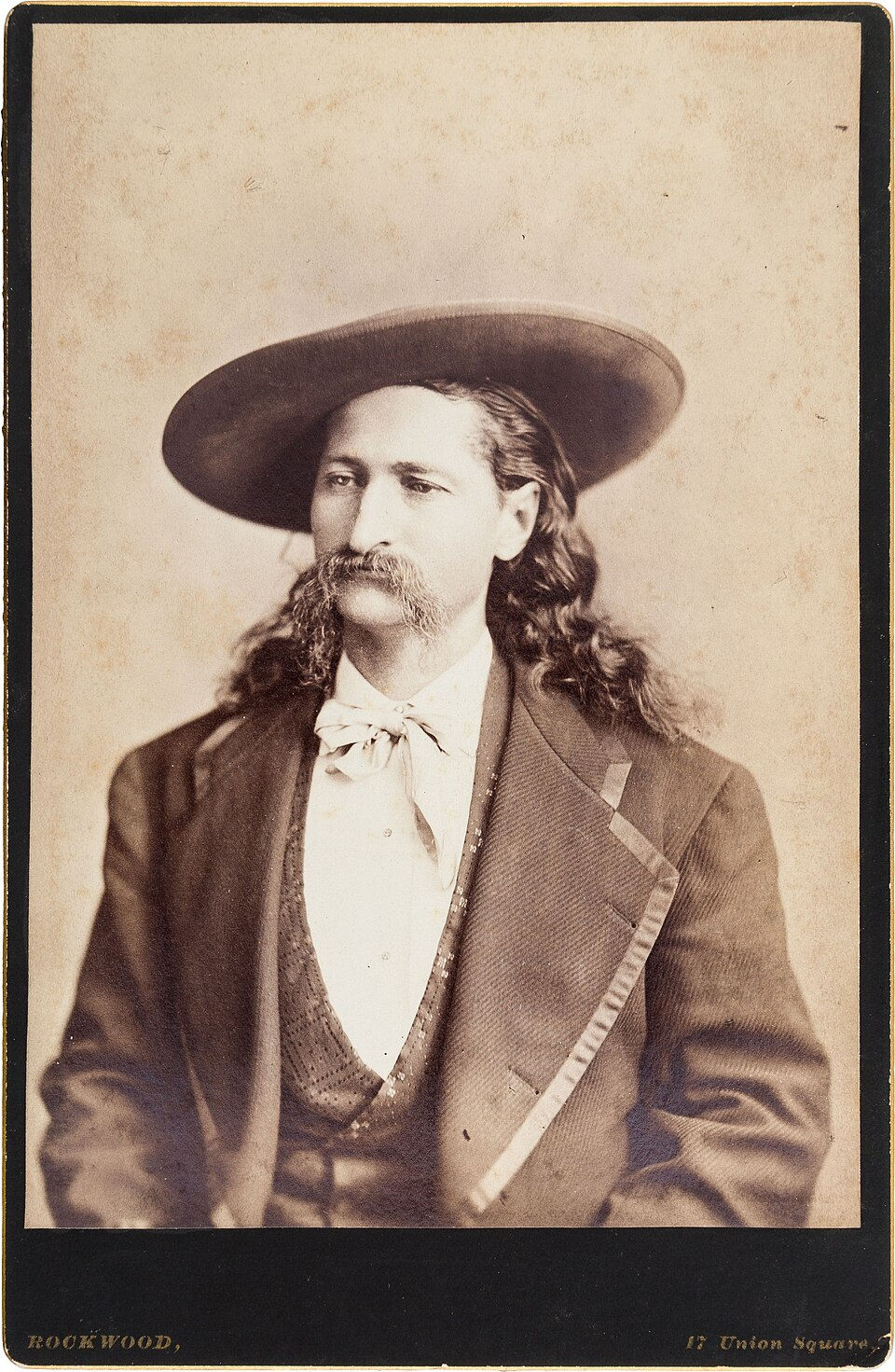
They had outgrown Ned Buntline’s dime novel fantasies. Jack had married their costar, the elegant ballerina Giuseppina Morlacchi. Wild Bill Hickok had come and gone, drifting from his brief stint as an unlikely and unsatisfied actor toward his fate in Deadwood. Life was changing.
Just weeks earlier, Buffalo Bill had buried his young son, Kit Carson Cody, lost to scarlet fever. Grief-stricken, he confessed to Jack: he couldn’t go on pretending on theatre stages every night—not while his heart was broken. Jack, who had known the boy since birth, didn’t try to stop his friend. They shook hands and agreed to dissolve their company. Bill wrote to General Phil Sheridan and returned to scouting, to the life he knew before he went on stage.

Jack pressed on, planning a grand production for the Centennial Exposition in Philadelphia. But fate had other ideas. After Custer fell at Little Bighorn, Texas Jack was summoned once more to the frontier. As he stepped off a steamboat on the Yellowstone River that fall, he ran into Cody—unexpected, unscripted, like a scene written by the West itself.
But something had changed. Cody had killed a Cheyenne warrior named Yellow Hair and sent the man's scalp and warbonnet to New York, not as a relic of war—but as a prop for a new show. Jack had other ideas. He was partnering with Donald McKay, a Warm Springs scout, for his own venture. Maybe, they decided, it was time for each man to see if he could make it on his own.
They parted as friends. But never again as partners.
Texas Jack would split his remaining years between the stage and the saddle, performing for part of the year and exploring the wildest reaches of the West, before dying suddenly in 1880 at just 33. Buffalo Bill would go on to build an empire of myth, touring the world, shaping how generations imagined the Wild West.
But between June 3, 1876, the final time he stepped on stage with his best friend John B. Omohundro, and the next forty years of superstardom until his death in 1917, none of the men and women he shared a stage or an arena with were billed as his equal. Buffalo Bill never again had a partner by his side like Texas Jack.
“Pards of the Plains for Life,” Cody would write of him.
But on that final night—June 3rd, 1876—they stood side by side under the spotlight, the two legends who turned the American West into the Wild West, before the curtain fell forever.

Comments